
One of who knows many articles I’ll write about the Selk’nam (AKA Ona) culture. In this post I will mostly talk about historical context. So whenever I get into mythology, religion, folklore, etc, you can come back here and read this if you want to know the specifics.
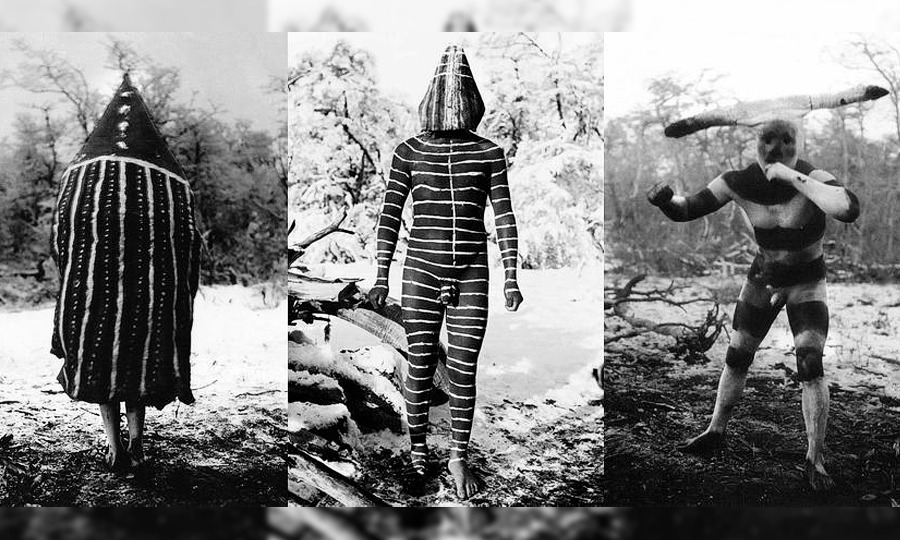
Located in the south of Chile and close to Argentina, the Selk’nam were a group of somewhat recent tribes. They diverged from the northern Tehuelche people over a millenium ago and migrated near the very tip of the continent, to Tierra de Fuego, displacing the native Haush around the 1100s of our era, whose influences shaped them into the modern Selk’nam we got to know about. Only a century and half before the Spanish crown arrived and claimed most of the so called new world territories!
After driving away the closely related Haush, and both cultures distributed the land between themselves (the former getting the short end of the stick, all being said). They still shared a lot of common traits (it’s speculated they share a common, Tehuelche origin, and as a matter of fact, the former also diverged from the later, before the Selk’nam did), such as mutually intelligible languages and vaguely similar traditions.
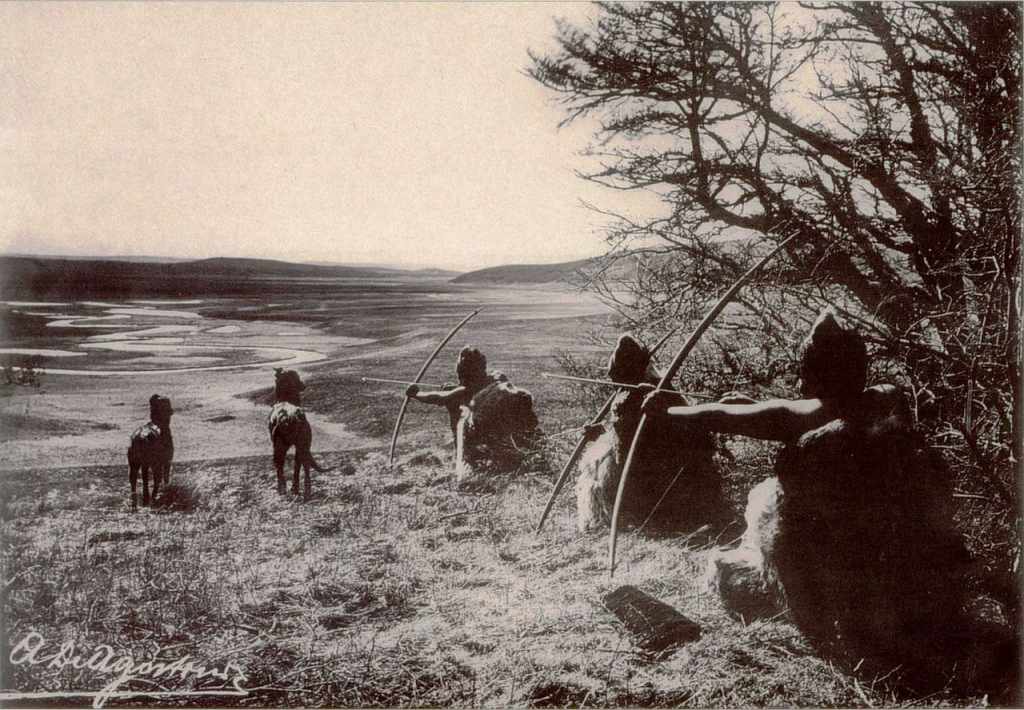
(Curious fact: Their hunting dogs were domesticated from a different canid than wolves unlike most of the modern dog breeds [the south American fox, that despite it’s name, is not an actual fox, but resembles one in it’s build]. The same evolution path, from a different starting point!)
At first, they were somewhat lucky. The spanish crown took as it’s property all of South America. But actually, it never went that far into the south. The Onas were not discovered until 1520, while Magallanes was trying to travel the whole world for the first time in history. Even then, they were not formally contacted until 1580 (by the Captain Pedro Sarmiento of Gamboa) , and for a few centuries, they were mostly left to their own devices. So you can have a vague idea of how feeble was the influence on them until the most recent times. (Some chronicles do suggest scarce interactions and external bartering to a very limited degree, but nothing significative).
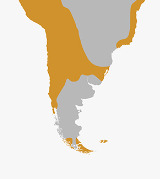
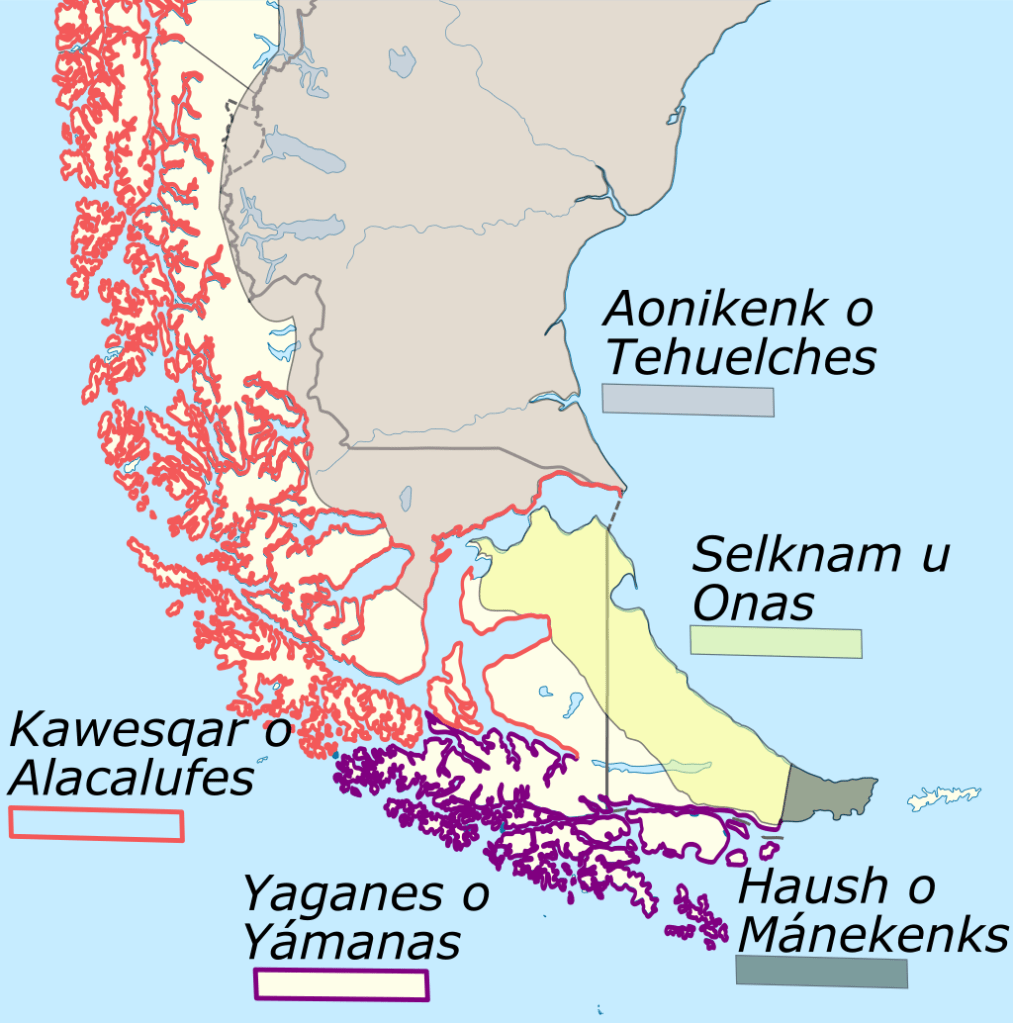
To the left, an image of spanish claims on SA (in orange), to the right, the tribes located there. While the crown had Selk’nam territory as claimed, those lands were very disjointed and there was barely a couple outsider settlements.
The Selk’nam were very stable population wise. By the time they were counted by censuses in the late 1800s, their numbers were somewhere between 4000 to 5000. Like other civilizations, they sometimes engaged into conflicts with their neighbours, and sometimes kept peaceful relations (the noble savage myth is a racist and condescending idea, they were human with all the shades and lights that come with such condition). In other words, their population was in a very delicate balance, able to get through with no external pressures, and that’s how they subsisted for the 5 to 6 centuries they roamed these lands.
Until that changed
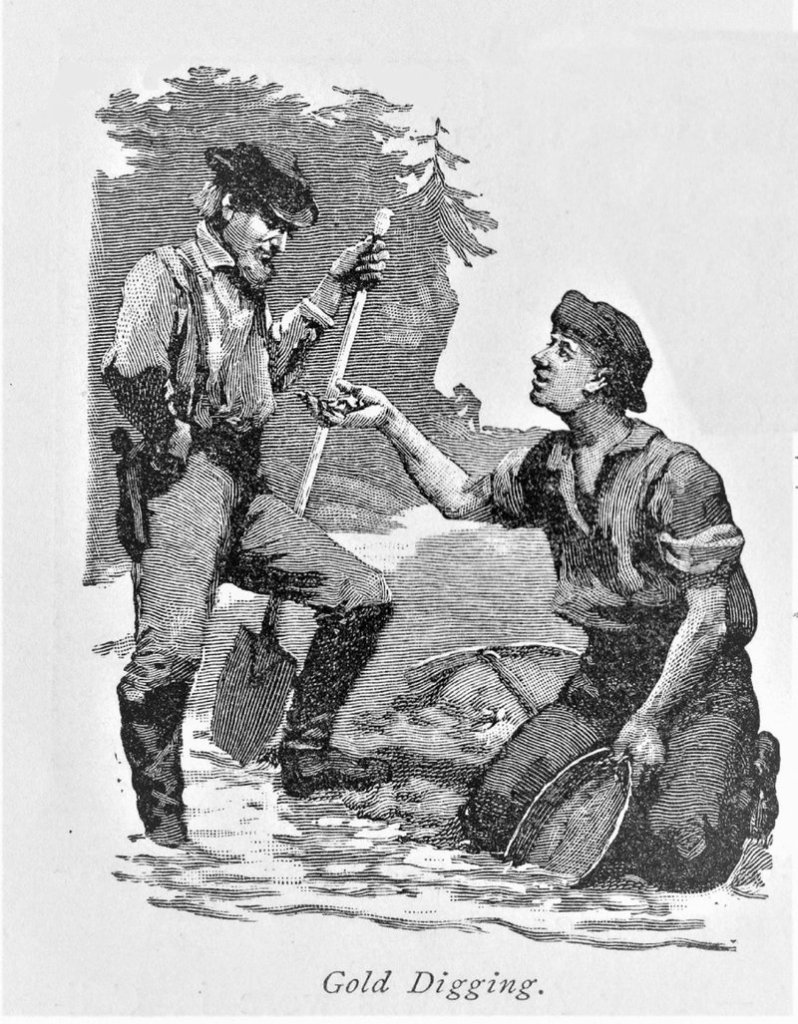
1870. The Gold fever arrived to all the americas. Scavengers frantically looked for gold in water sources to make quick money. Not only the gold, but all the economy moved by it made countless businesses flourish, and lots of people interested in claiming lands for exploitation.
The Selknam happened to be located in the Land of Fire (Tierra de Fuego), a very exploitable place for rich outsiders. Those were scarcely populated plains, perfect to stablish profitable manors and large estates. Multiple farmers arrived to Chile and wanted to extend their crops and livestock there. Onas were in the way, and the now independent Chilean goverment was powerless (or unwilling) to stop them from attacking their own people.
For the next 40 years, the Selknam were not merely killed. As if they were prized animals, they were hunted down. Their fragile balance was not prepared to cope with an external force that put literal bounties on their heads for the crime of existing, and happening to be there. It was a genocide through and throughout, and it’s uncontestably refered as such by every academic that has covered such a topic in the last decades.
I’d put photographies featuring the settler’s actions, posing with Selk’nam corpses, plundering their tents, shooting at innocents fleeing, because trust me, they took many, and nowadays they’re still out there. A quick google search shows them. But that’s gratuite, gruesome and plainly unnecesary. I think my point is driven home.
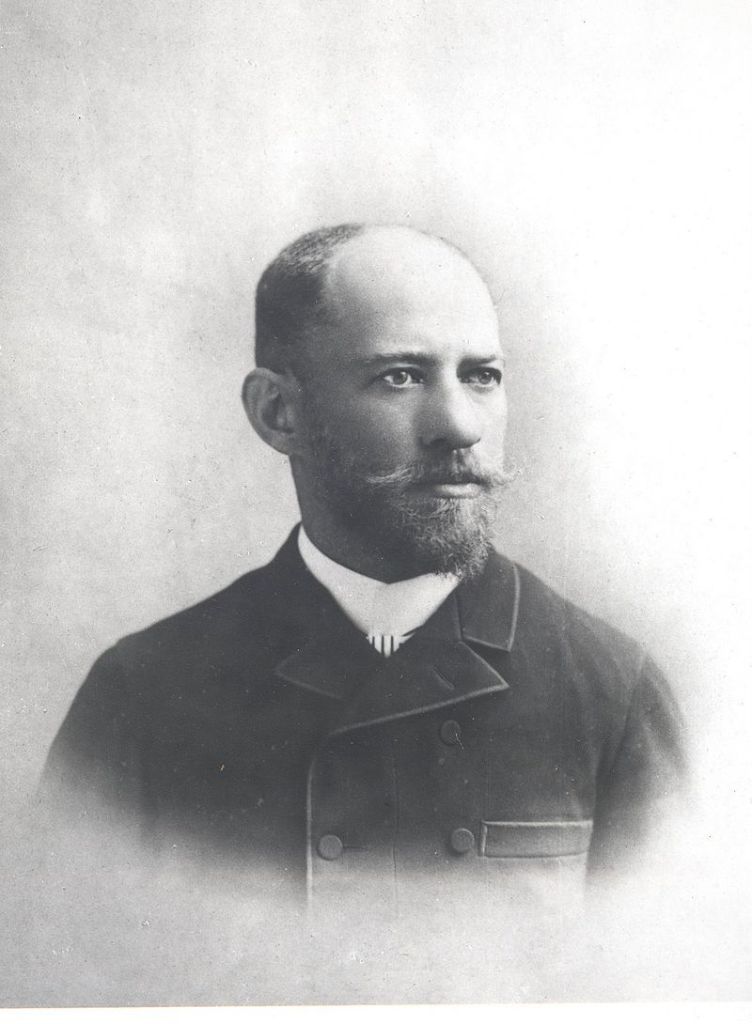
The Selk’nam numbers dropped massively. Those that managed to flee, found themselves with nowhere to settle. As they were pushed away from their land and driven into a corner, Selknam groups briefly resorted to infighting to get a hold to the last of the land and resources, which only made the situation worse. By 1900, their numbers were in the low 100s, and they couldn’t run away anymore.
Some Christian missions took pity on them and helped them relocate, but whilst doing that, they lost what little they had left of their culture and ways of living. They basically were forced to abandon everything that made them Selk’nam, even their language, that saw it’s last fluent, native speakers die during the later half of the XX century. On top of that, the poor living conditions, and many contagious diseases they had no response for (same situation that killed millions in central america back when the spanish set foot for the first time) were an additional source of devastation.
Close to 1910 the massacre finally stopped, but it was too late. Their numbers sunk further. By 1950, only a dozen or so remained. In 1966, Lola Kiepja, last fully blooded Selknam who also fully knew the culture and customs, passed away. Local stigma and harassment made difficult for their traditions to be passed down to the next generation (what we know as Acculturation).
But not all hope is lost!
The Selk’nam tribes may be functionally extinct, but their legacy has not fully disappeared. In fact, there’s chance of a comeback!
Some mestizos (mixed descendants, with Selknam ancestry) have reappeared (or, better phrased, publicly shown their roots to the rest of the world once again) after the 1980s, as the stigma started to wane. A 2010 census in Argentina found over 2000 proclaimed Selknams, and another in Chile, over 1000.
Not only that, one of them, Joubert Yanten Gomez, managed to reconstruct the Selknam language (passed down by the last survivors, including one of his uncles), a unique case of near self-teaching! A rudimentary version of the original, maybe, since there’s no native to compare or refine it, but still saved from total extinction!
There’s recordings, photographies, and accurate protrayals of their rituals and dances. The states started to support their people, and efforts of revitalization started in the late XX century. Every day, more is known and shared about the Selk’nam people.
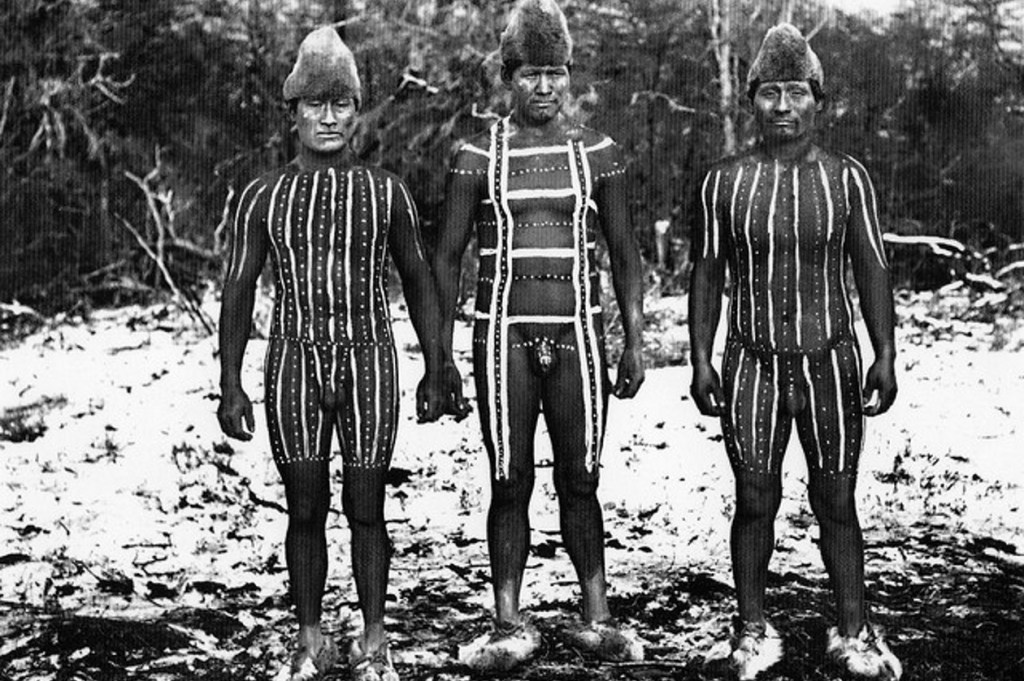
The story of the Selk’nam is not one of defeat, but of superation. Even if their people was exterminated, enough managed to survive and pass the torch, defying all odds.
No matter how oppresed is a culture, if the will of it’s population prevails, they will keep living on.
I can’t wait to actually get into what they achieved, what they believed, and how they viewed the world around them.
Sources I consulted:
- https://pueblosoriginarios.com/sur/patagonia/selknam/territorios.html
- Unknown. (1768). Viage al Estrecho de Magallanes por el Capitán Pedro Sarmiento de Gamboa en los años de 1579 y 1580, La Imprenta Real de la Gazeta
- Ansel, B. D. (1970). European Adventurer in Tierra del Fuego: Julio Popper. Hispanic American Historical Review
- Berscia Rojas, L. M. (2014). A heritage reference grammar of Selk’nam. Radboud University Nijmegen – Department of Linguistics
- https://en.wikipedia.org/wiki/Selk%27nam_people
 Crodur - Glimpses of our world
Post your thoughts!