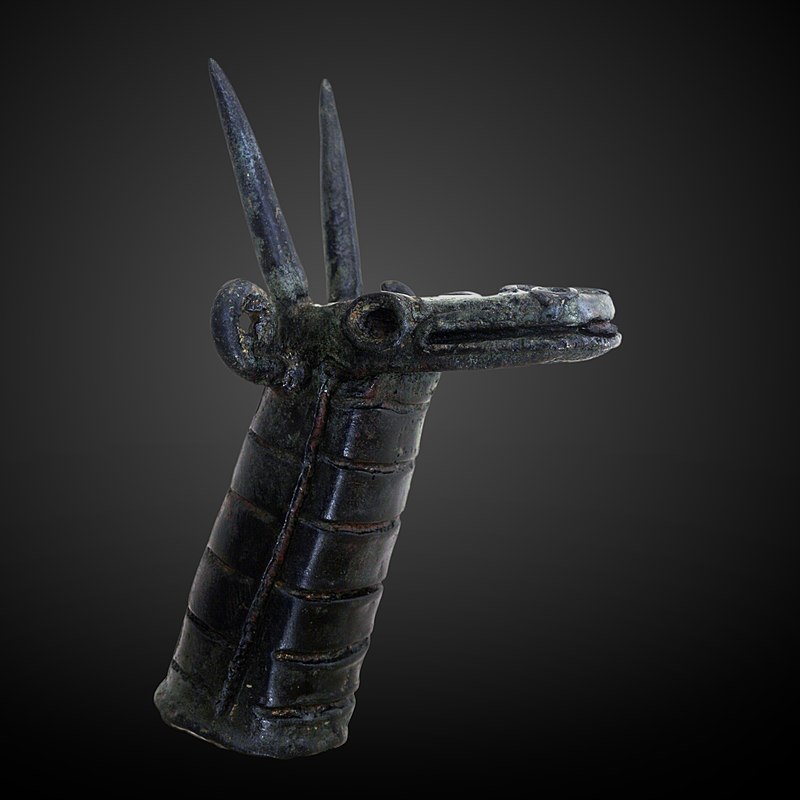
Lately I’ve been obsessed with the Maya culture, so I may write a lot about them. Most of their existence they had what we would call stone age tools, obsidian here and there, and metals only started being a thing after they were at their peak (widespread uttensils only after X century in most areas). Metallurgy on the Americas is a whole beast on it’s own, and I would love to delve into that, but that’s for another article!
The Mayas are the living proof that labeling civilizations by their metallurgy advancements alone is ABSURD. It’s a classification that only works in certain areas (Europe, mostly, also part of Asia I guess?). Different civivilizations have their own stages and milestones of development, as we’re going to see.
Please look at the Hauberg stela (to the right, a precise tracing to better distinguish the engraving), made in 200 CE, that announces the coronation of a certain maya ajaw (what they called the supreme lords of their city-states).
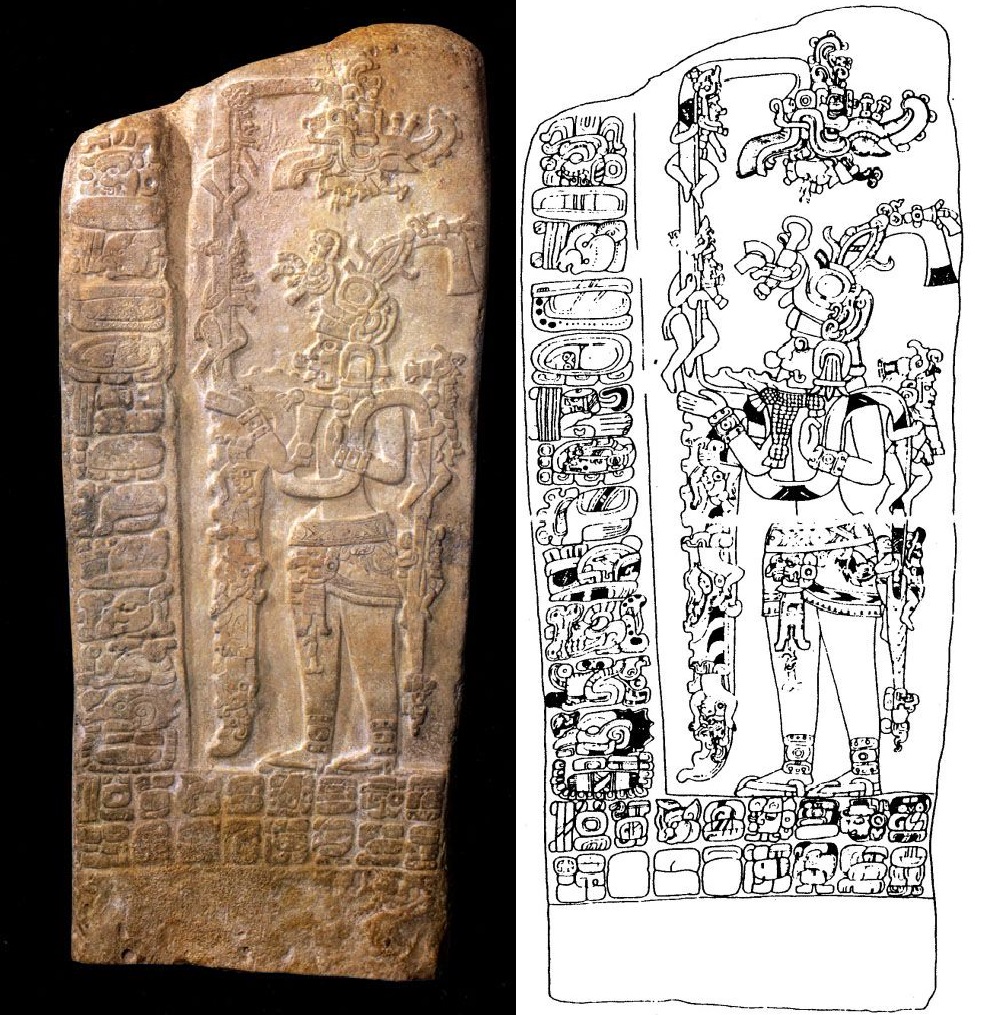
Each one of the symbols, not only the gliphs to the left and below of the human figure, but also that snake with crawling people, the clothes, the garnments, everything has a complex iconographic tradition, going back hundreds of years. All of it carved without the help of metals of any kind! Just precise stone tools and immense craftmanship.
The main human figure represents the king succesor, and it’s being visited by the Snake god Kukulkan (i.e. Feathered Serpent). Snakes, according to mayan cosmogony, were also paths to different worlds. A snake connected the underworld with the land of the mortals (sometimes, like in that case a centipede took the role), the sun and the moon traveled by following a very long snake, spread across the skies, etc.
This snake has tiny humans crawling on it. They’re meant to be the ancestors of the king, as if they’re visiting him from the afterlife to legitimize the heir and give him their personal endorsment. I could enter into details about the actual ceremony, but I think I’m driving the point home (perfect material for another article!).
Regardless of they not knowing yet the most basic of the metallic tools, they had an incredibly rich culture, engravings with a unique language script (one of the very few civilizations that managed to integrate a fully written form of communication on their own), and a very wide macrocosmos, reflected on their sacred books and texts, most of which were sadly burned by the spanish inquisition upon their arrival to the new world (we still have some of them that show their vision towards the world and even complex forms of knowledge (mostly mathematical and astronomical).
I see them as a prove that a civilization is not more or less ”backwards” just because it’s not the supreme one in some specific aspects. All cultures have it’s own intricacies, technological paths and particular contexts that help explain their status on most, if not all of their complexities.
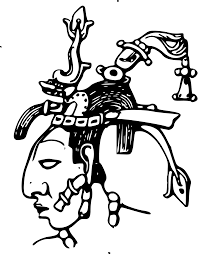
P.D.: A portrait of the King of smugness, the one and only Pakal I the Great, from the maya city-state (ajawlel) of B’aakal, who maintained the 5th most long lived reign recorded in universal history (just over 68 years in a row!)
Sources I consulted:
- Simmons E. S., Shugar N. A. (2013). Archaeometallurgy in Mesoamerica: Current Approaches and New Perspectives, University Press of Colorado
- http://ancientamericas.org/collection/aa010741
- Coe D. M. (1992). Breaking the Maya code, Thames & Hudson.
- https://www.chichenitza.com/blog/the-feathered-serpent-of-chichen-itza-a-symbol-of-mayan-and-aztec-power
- Skidmore, J. Advanced Age confirmed for Pakal of Palenque https://www.mesoweb.com/reports/pakal.html
 Crodur - Glimpses of our world
Post your thoughts!